
As an Amazon Associate I earn from qualifying purchases.
At A Glance
No, it is not advisable to compost gum. Gum is made from synthetic materials or rubber bases, along with other non-biodegradable substances, which do not decompose easily. These materials are not suitable for a compost pile as they do not break down into organic material and can introduce contaminants into your compost.
Composting is a great way to reduce waste and create nutrient-rich soil for your garden. However, not all materials can be composted, and one common question is whether or not chewing gum can be composted. The answer is not straightforward, as it depends on the type of gum and the composting method used.
Some types of biodegradable gum can be composted, but it’s important to note that not all gum is biodegradable. Gum that contains polyisobutylene (PIB), a synthetic rubber, is not biodegradable and should not be composted. It’s also important to consider the composting method used, as home composting may not be suitable for breaking down PIB-based gums completely. Commercial composting facilities may be able to process chewing gum effectively through specific processes, but it’s best to check with your local facility to see if they accept gum.
In addition to the composting aspect, it’s also important to consider the environmental impact of chewing gum. Gum that is not disposed of properly can become litter and harm wildlife and the environment. It’s important to dispose of gum in the trash or recycle it if possible. By being mindful of the type of gum we chew and how we dispose of it, we can reduce our impact on the environment.
Understanding Composting
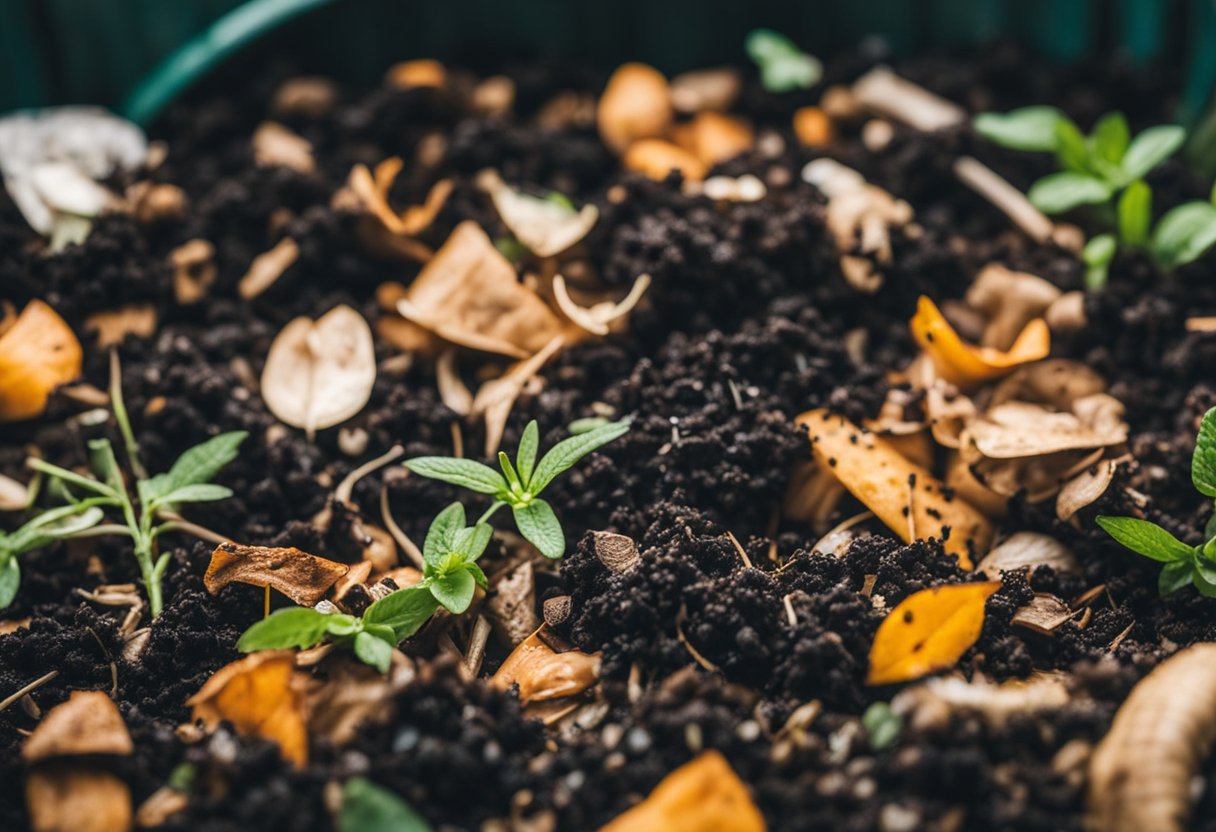
Composting is the process of decomposing organic materials into a nutrient-rich soil amendment. Organic materials such as leaves, food scraps, and manure are broken down by bacteria and other microorganisms that are naturally present in the environment. The process of composting requires the right balance of carbon and nitrogen, as well as moisture and oxygen.
Carbon-rich materials such as leaves, straw, and paper provide the energy source for the microorganisms, while nitrogen-rich materials such as food scraps, grass clippings, and manure provide the protein source. The ideal carbon-to-nitrogen ratio for composting is 30:1, which means that there should be 30 parts carbon for every one part nitrogen.
The decomposition process is facilitated by the microorganisms that break down the organic materials into smaller pieces. As the materials decompose, they release heat and carbon dioxide. The heat generated by the decomposition process can raise the temperature of the compost pile to between 90 and 140 degrees Fahrenheit. This heat is important because it kills weed seeds and pathogens that may be present in the organic materials.
The composting process can take anywhere from a few weeks to several months, depending on the size of the pile and the materials being composted. To speed up the process, it is important to turn the pile regularly to ensure that oxygen is available throughout the pile. A compost bin can be used to contain the pile and make it easier to turn.
The end result of the composting process is a nutrient-rich soil amendment that can be used to improve soil health and fertility. Compost can be added to garden beds, used as a mulch, or mixed with potting soil to improve plant growth.
Overall, composting is a natural and sustainable way to manage organic waste and improve soil health. By understanding the basic principles of composting and following best practices, anyone can create high-quality compost at home.
Toxicity in Composting
It’s important to be aware of toxicity in composting. Some materials can release toxins that are harmful to plants. For example, some types of wood, such as cedar and redwood, contain natural toxins that can be harmful to plants if used in large quantities. Additionally, some synthetic materials, such as plastics and synthetic rubber, can release toxic chemicals when they break down.
When it comes to gum, it’s important to note that most chewing gum is made from synthetic materials, such as gum base and synthetic rubber. These materials do not biodegrade or compost, and can contaminate the compost with non-biodegradable waste. Additionally, chewing gum can attract pests and rodents to your compost bin, so it’s best to avoid adding it to your compost.
Overall, it’s important to be mindful of what you’re adding to your compost bin. Stick to organic, biodegradable materials, and avoid adding anything that could be harmful to your plants or the environment.
Chewing Gum and Composting
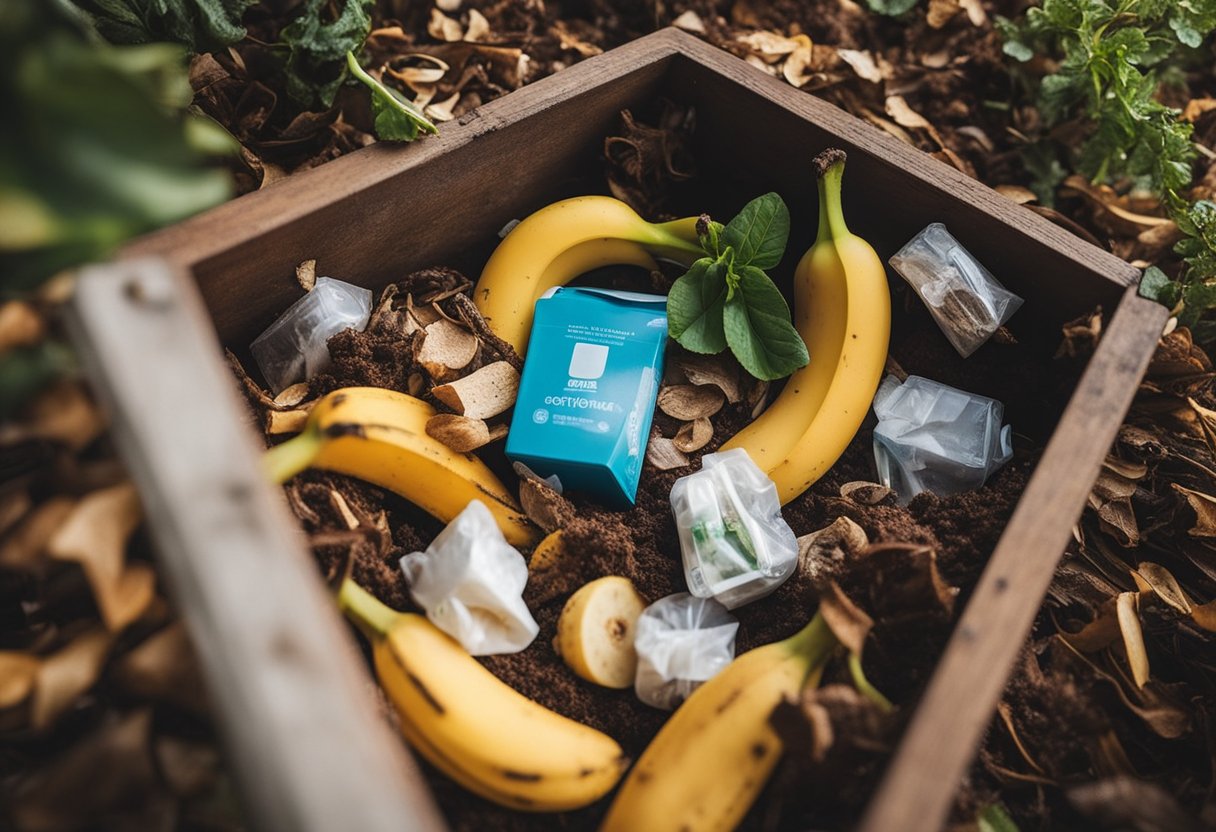
Composition of Chewing Gum
Chewing gum is a popular confectionery item that is enjoyed by people of all ages. It is typically made from a gum base, sweeteners, flavorings, and softeners. The gum base is usually made from synthetic rubber, which is a type of polymer that is derived from petrochemicals. Some gum bases may also contain natural ingredients such as tree sap or latex.
Can Chewing Gum Biodegrade
Unfortunately, chewing gum is not biodegradable and cannot be composted. This is because the gum base used to make chewing gum is not easily broken down by natural processes. The synthetic rubber used in gum base is designed to be elastic and durable, which makes it resistant to decomposition. Additionally, many chewing gums contain artificial sweeteners such as aspartame, which can also be harmful to the environment.
Environmental Impact of Gum Litter
When chewing gum is improperly disposed of, it can have a negative impact on the environment. Gum litter is a common form of litter and can be difficult to remove from surfaces such as sidewalks and streets. Because chewing gum does not biodegrade, it can remain on the ground for years, creating an eyesore and contributing to pollution. In addition, gum litter can be harmful to wildlife, as animals may mistake it for food and ingest it.
In summary, chewing gum is not biodegradable and cannot be composted. When disposed of improperly, gum litter can have a negative impact on the environment. It is important to dispose of chewing gum properly and to avoid littering.
Gum Trees and Composting
Eucalyptus Trees
Gum trees, also known as eucalyptus trees, are native to Australia and are one of the most common trees in the country. These evergreen trees are known for dropping a significant amount of their leaves, twigs, branches, and gumnuts below their canopy.
Effects of Gum Leaves on Compost
Many gardeners wonder if they can compost eucalyptus leaves and other debris from gum trees. While it is possible to compost these materials, it’s important to understand the potential effects of gum leaves on compost.
One issue with eucalyptus leaves is that they contain allelopathic compounds, which can inhibit the growth of other plants. This means that if you add a lot of eucalyptus leaves to your compost, it may negatively impact the growth of other plants when you use the compost in your garden.
Another issue is that eucalyptus leaves are slow to decompose. This means that they can take a long time to break down in your compost pile, especially if you have a lot of dry leaves from the summer. To help speed up the decomposition process, you can add nitrogen-rich materials like grass clippings or kitchen scraps to your compost pile along with the eucalyptus leaves.
Overall, while it is possible to compost eucalyptus leaves and other debris from gum trees, it’s important to be aware of the potential effects on your garden and to take steps to ensure that the composting process is as efficient as possible.
Conclusion
Based on the research, it is clear that gum cannot be composted. Gum is not biodegradable and does not break down in the same way as other foods and plant matter. Even if the gum does start to break down, it takes hundreds of years to fully decompose.
While there are biodegradable gum brands available, they are not yet widely used. It is important to note that even biodegradable gum should not be composted. Composting gum can lead to a pile full of excessive gum that will not break down and will cause problems for the environment.
Unfortunately, there are no good solutions for disposing of gum. Although it is made of plastic, its sticky and messy nature makes it unappealing to recycling centers. Throwing gum on the ground is also not a good solution, as it can harm the environment and wildlife. It is best to dispose of gum in the trash.
Overall, while it may be challenging to convince people to stop chewing gum due to its massive effect on the environment, it is important to be aware of the negative impact gum can have. By properly disposing of gum in the trash, we can help reduce the amount of waste that ends up in our environment.