
As an Amazon Associate I earn from qualifying purchases.
At A Glance
Yes, you can compost kimchi. Kimchi is an organic material made from fermented vegetables, which will break down in a compost pile. It falls under the category of “green” compost material, providing necessary nitrogen to help decompose “brown” materials like leaves and twigs. The beneficial microbes from the fermentation process may also help in breaking down other compost materials. However, be aware that kimchi can be quite aromatic and may attract pests like rodents or flies to your compost pile, so it’s advisable to bury it well within the compost pile or mix it thoroughly with other compost materials.
Composting is a sustainable way to dispose of food waste while also creating nutrient-rich soil for gardening. But what about kimchi? Can you compost this popular Korean fermented dish? The answer is yes, you can compost kimchi, but there are a few things to keep in mind.
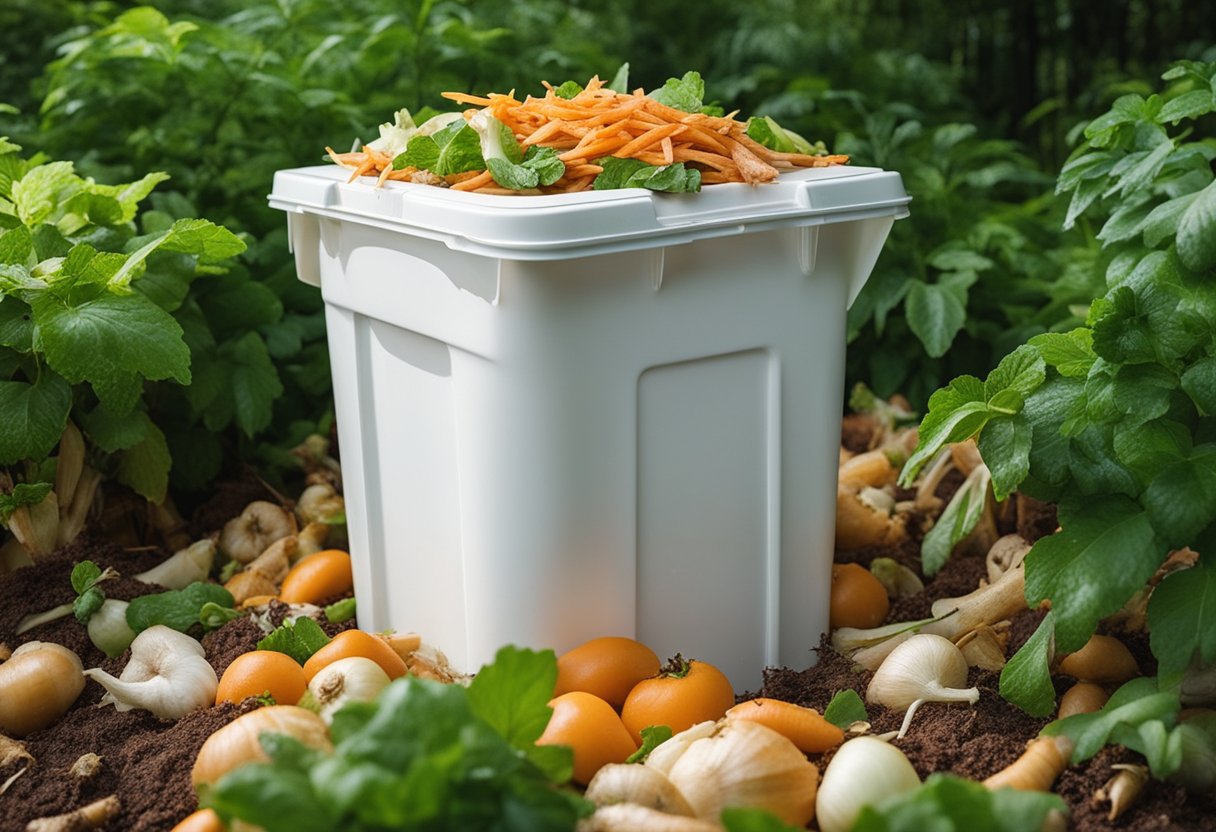
Kimchi is made from a variety of vegetables, including cabbage, radish, and scallions, which are all great additions to a compost pile. The fermentation process also adds beneficial bacteria and fungi to the mix, which can help break down other organic matter in the compost. However, kimchi is often high in salt, which can slow down the composting process and harm beneficial microbes if added in large quantities. Additionally, if the kimchi contains meat or dairy products, it should not be composted, as these can attract pests and create unpleasant odors.
Understanding Kimchi and Composting
What is Kimchi?

Kimchi is a traditional Korean dish made of fermented vegetables, typically napa cabbage, and a blend of spices and seasonings. It is a staple in Korean cuisine and is enjoyed worldwide for its unique flavor and health benefits. Kimchi is made through a process of lacto-fermentation, which involves the natural bacteria present on the vegetables breaking down the sugars and producing lactic acid. This process gives kimchi its distinctive sour taste and also helps to preserve the vegetables.
Fundamentals of Composting
Composting is the process of breaking down organic matter into a nutrient-rich soil amendment. It is a great way to reduce food waste, improve soil health, and reduce greenhouse gas emissions. Composting requires a balance of “green” organic materials, such as food scraps and grass clippings, and “brown” organic materials, such as dry leaves and wood chips. The green materials provide nitrogen, while the brown materials provide carbon.
When composting kimchi, it is important to ensure that it has fully fermented before adding it to the compost pile. This will help to prevent any unpleasant odors and ensure that the nutrients in the kimchi are properly broken down. Kimchi can be stored in an airtight container in the fridge until it is ready to be added to the compost pile. It is best to mix the kimchi with other organic materials in the compost pile and avoid adding too much at once.
Overall, composting kimchi is a great way to reduce food waste and provide nutrients to the soil. By following a few simple steps, you can turn your leftover kimchi into a valuable resource for your garden.
Ingredients of Kimchi
Kimchi is a traditional Korean dish made from fermented vegetables and seasonings. There are over 200 variations of kimchi, but the most common type is made with napa cabbage. In this section, I will discuss the primary and secondary ingredients used in kimchi.
Primary Ingredients
The primary ingredients of kimchi are napa cabbage, garlic, ginger, and salt. Napa cabbage is the main vegetable used in kimchi, and it provides a crunchy texture and a slightly sweet flavor. Garlic and ginger are used for their strong, pungent flavors, which help to balance the sourness of the fermented cabbage. Salt is used to draw out the moisture from the cabbage and to create an environment that is conducive to fermentation.
Secondary Ingredients
In addition to the primary ingredients, kimchi also contains several secondary ingredients that contribute to its unique flavor and nutritional profile. These include:
- Red pepper: Used to add spiciness to the kimchi.
- Fish sauce: Adds umami flavor to the dish.
- Daikon radish: Adds a crunchy texture and a slightly sweet flavor.
- Gochugaru: A type of Korean chili pepper, which is used to add heat to the dish.
- Green onions: Adds a fresh, oniony flavor to the kimchi.
While these ingredients are commonly used in kimchi, there are many variations of the dish that use different combinations of ingredients. For example, some recipes call for the addition of rice flour paste, which is used to thicken the sauce and enhance the texture of the dish.
Overall, kimchi is a flavorful and nutritious dish that is enjoyed by many people around the world. Its unique combination of ingredients provides a range of health benefits, including improved digestion, reduced inflammation, and a stronger immune system.
Composting Process
Composting Basics
Composting is a natural process that turns organic waste into nutrient-rich soil. To start composting, you need a bin, which can be a simple pile or a more complex system. The bin should be placed on a site that provides good air circulation, moisture, and drainage. It’s important to maintain the right balance of carbon and nitrogen-rich materials, also known as browns and greens. Browns include leaves, yard trim, and straw, while greens include food scraps and grass clippings. The ideal ratio of browns to greens is 3:1.
Air, water, and microorganisms are essential for the composting process. Oxygen is needed for aerobic composting, which is the most common method. The pile should be turned regularly to provide air circulation and ensure even decomposition. Water is also important for the composting process, but too much can lead to a lack of oxygen and bad odors. The pile should be kept moist, but not too wet.
The fermentation process is also important for composting. Fermentation breaks down the organic matter and releases nutrients. The temperature of the pile should be between 120-160°F to ensure proper fermentation. The process can take anywhere from a few weeks to several months, depending on the size of the pile and the materials used.
Vermicomposting
Vermicomposting is a type of composting that uses worms to break down organic matter. The worms consume the organic matter and excrete nutrient-rich castings. To start vermicomposting, you need a worm bin, which can be made from a variety of materials, including plastic, wood, or metal. The bin should be placed on a site that provides good air circulation, moisture, and drainage.
In addition to food scraps and yard trim, vermicomposting requires bedding material, such as shredded newspaper or cardboard. The bedding provides a habitat for the worms and helps maintain moisture levels. The ideal temperature for vermicomposting is between 55-77°F.
Vermicomposting requires less space than traditional composting and produces less odor. However, it requires more attention to ensure the worms are healthy and the bin is not too wet or too dry. The castings produced by vermicomposting are a valuable fertilizer and can be used as a soil amendment or mulch.
Overall, composting is a simple and effective way to reduce waste and improve soil quality. By following the basic principles of composting, you can create a nutrient-rich soil amendment that will benefit your garden and the environment.
Composting Kimchi
Preparation
Before composting kimchi, it’s important to understand its composition. Kimchi is a fermented dish made from vegetables, such as cabbage, and seasoned with spices, garlic, and ginger. It contains lactobacillus, a beneficial bacteria that aids in the fermentation process. Kimchi also contains sea salt, which helps to create a brine that preserves the vegetables and provides a sour flavor.
To prepare kimchi for composting, it’s best to store it in an airtight container at room temperature for a few days to allow the lactobacillus to grow and the fermentation process to continue. This will help to break down the fibers in the vegetables and create a probiotic-rich brine.
Composting Method
When it’s time to compost your kimchi, there are a few things to keep in mind. First, it’s important to measure the amount of kimchi you have and the amount of other compostable materials you’ll be adding to your compost pile. Kimchi is a strong compost material, so it’s best to add it in small amounts and mix it with other materials, such as eggshells and yard waste.
It’s also important to be patient when composting kimchi. The fermentation process can take some time, and it’s best to let the kimchi sit in your compost pile for a few weeks before using it in your garden. This will allow the lactobacillus to continue breaking down the fibers in the vegetables and create a nutrient-rich soil.
If you’re new to home composting, it’s important to gain some experience before composting kimchi. It’s a strong compost material that requires some knowledge and patience to compost properly. If you’re not sure how to compost kimchi, it’s best to start with other compostable materials and work your way up.
Overall, kimchi can be a great addition to your compost pile, as it’s a nutrient-rich material that can help to create a healthy soil for your plants. Just be sure to prepare it properly and have some patience when composting it.
Safety and Quality Control
Food Safety
When composting kimchi, it is important to follow food safety guidelines to prevent the growth of harmful bacteria. Kimchi should be stored in a food-safe container and refrigerated at a temperature below 40°F to prevent the growth of bacteria. It is also important to use clean utensils and cutting boards when handling kimchi to prevent cross-contamination.
Quality Check
When adding kimchi to a compost pile, it is important to check the quality of the kimchi before adding it. Kimchi that has gone bad or has a foul odor should not be added to the compost pile. Additionally, the kimchi should be free of any glass or plastic storage container pieces.
To ensure that the kimchi is suitable for composting, it is important to check the moisture and temperature levels of the compost pile. The compost pile should have a moisture content of 40-60% and a temperature between 130-150°F to promote the growth of beneficial bacteria and break down the kimchi quickly.
Proper air circulation is also important for the composting process. Turning the compost pile regularly will ensure that the kimchi is evenly distributed and has access to oxygen.
Overall, composting kimchi can be a great way to reduce food waste and improve soil health. However, it is important to follow food safety guidelines and ensure that the compost pile has the proper conditions for the kimchi to break down effectively.
Conclusion
In conclusion, composting kimchi is a great way to reduce food waste and create nutrient-rich soil for your plants. As we have seen from the search results, kimchi can improve plant growth and health, result in larger and tastier fruits for tomato plants, be used as nutrient-rich potting soil or mulch, and speed up the decomposition process when added to the kitchen scrap pile.
However, it is important to note that kimchi is high in salt, which can be harmful to plants in large quantities. Therefore, it is recommended to use kimchi in moderation and mix it with other compostable materials to balance the salt content.
Additionally, it is important to properly store kimchi before adding it to the compost pile. Kimchi that has been left out for too long can contain harmful bacteria that can harm your plants. It is recommended to store kimchi in an airtight container in the refrigerator until it is ready to be added to the compost pile.
Overall, if used properly, kimchi can be a valuable addition to your compost pile and can help create healthy soil for your plants to grow in.