
As an Amazon Associate I earn from qualifying purchases.
At A Glance
Yes, you can compost jam. Jam is organic material, and it will break down over time in a compost pile. It falls under the category of “green” compost material, providing necessary nitrogen to help decompose “brown” materials like leaves and twigs. However, jam can be quite sticky and may attract pests like ants or rodents to your compost pile, so it’s advisable to mix it well with other compost materials to minimize these issues. Additionally, be aware that jams with preservatives may take longer to decompose or could potentially introduce unwanted chemicals to your compost.
Composting is a great way to reduce waste and create nutrient-rich soil for gardening. While many food scraps can be composted, some people wonder if you can compost jam. The answer is yes, you can compost jam, but there are some things to consider.
First, it’s important to note that commercially produced jams may contain preservatives and other additives that can slow down the composting process or attract pests. Homemade jams, on the other hand, are typically made with simple ingredients like fruit, sugar, and pectin, which are all compostable.
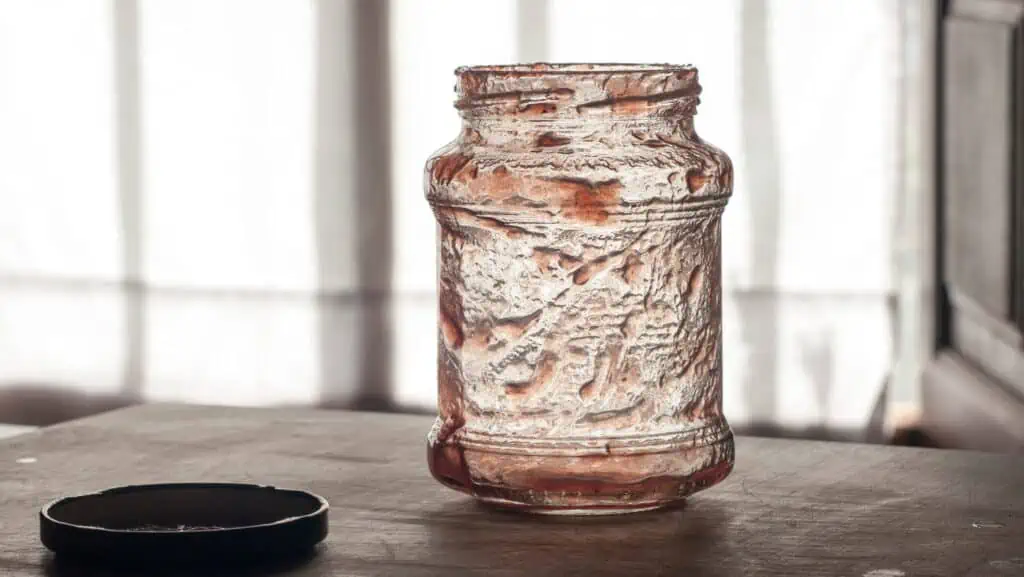
Another thing to consider is the sugar content in jam. Sugar can be beneficial for composting because it provides a food source for microbes that break down organic matter. However, too much sugar can also attract pests and create an imbalanced compost pile. By understanding the right ingredients and the best way to process and compost jam, you can ensure that you make the most of your composting efforts.
Can You Compost Jam?
As someone who is interested in composting, you may be wondering if you can compost jam. The answer is yes, you can compost jam. However, there are a few things to keep in mind when composting jam.
One thing to consider is the high sugar content of jam. Sugar is a favorite food of bacteria, so adding jam to your compost pile can help increase the population of beneficial microbes in your compost. However, too much sugar can also attract unwanted pests, so it’s important to mix the jam with other organic materials to prevent this from happening.
Another thing to consider is the preservatives that may be present in some types of jam. Preservatives can slow down the composting process, so it’s best to use jam that is free of preservatives if possible.
Finally, some types of jam may contain pectin, which is a natural substance that can help thicken jams and jellies. Pectin is also beneficial for composting, as it can help to bind organic materials together and create a more stable compost pile.
In summary, composting jam is possible, but it’s important to keep in mind the high sugar content, preservatives, and pectin that may be present in some types of jam. Mixing jam with other organic materials and using jam that is free of preservatives can help to ensure that your compost pile stays healthy and pest-free.
The Role of Sugar in Composting
Composting is a natural process of breaking down organic matter into a nutrient-rich soil amendment. The process requires a balance of carbon and nitrogen, moisture, and oxygen. Sugar is a carbon-based food that can be added to compost, but it should be used in moderation.
Jam contains a high sugar content, which can make it unsuitable for composting on its own. However, when combined with other compostable materials, it can still be beneficial. Sugar makes a quick and easy meal for the bacteria, so adding jams can even increase microbial activity.
When composting jam, it is important to keep the pile well-aerated and moist. The finished compost can then be used in garden beds or potted plants. Sugar is a carbon-based food, so it is recommended that it is composted. Fruits or berries can also be composted since they are organic matter.
Overall, sugar plays a role in the composting process by providing a food source for bacteria. While high sugar content can make jam unsuitable for composting on its own, it can still be composted when combined with other compostable materials in moderation.
that your compost pile is healthy and safe for the environment.
The Role of Ingredients in Composting
When it comes to composting, the ingredients you use play a significant role in determining the quality of the finished compost. In the case of jam, it is important to consider the ingredients used. Jam typically contains sugar, pectin, fruits or berries, and sometimes artificial preservatives.
Sugar is a carbon-based food, which means it is recommended for composting. Fruits and berries can also be composted since they are organic matter. However, the high sugar content in jam can make it unsuitable for composting on its own.
To successfully compost jam, it is best to combine it with other compostable materials. This will help balance the carbon-to-nitrogen ratio and prevent the pile from becoming too acidic. Keeping the pile well-aerated and moist is also important for successful composting.
When composting fruit and vegetable scraps, it is important to chop them into small pieces to speed up the decomposition process. Herbs and spices can also be added to the compost pile as they are rich in nutrients and can help improve the quality of the finished compost.
Overall, when composting organic material, it is important to maintain a proper balance of carbon and nitrogen-rich materials. This will help promote the growth of beneficial microbes and ensure the composting process is successful.
Composting and Waste Reduction
Composting is an easy and effective way to reduce household waste and live a more sustainable lifestyle. By composting organic waste such as food scraps and yard waste, we can divert waste from landfills and reduce greenhouse gas emissions. In fact, according to the US Composting Council, using compost can also help divert waste from filling up landfills, which is beneficial for the environment.
Composting is a natural process that breaks down organic materials into a nutrient-rich soil amendment. By composting food scraps, yard waste, and other organic materials, we can create a valuable resource that can be used to improve soil quality and support healthy plant growth. Proper composting can also reduce the dependence on chemical fertilizers, help recover soil fertility, and improve water retention and the delivery of nutrients to plants, according to UNEP.
In addition to reducing waste and improving soil quality, composting can also promote a sustainable lifestyle. By composting at home, we can reduce the amount of waste that we send to landfills and reduce our carbon footprint. Composting can also be a fun and educational activity for families and individuals who are interested in sustainable living.
Overall, composting is an effective way to reduce household waste and live a more sustainable lifestyle. By composting organic materials, we can create a valuable resource that can be used to improve soil quality, support healthy plant growth, and reduce our carbon footprint.
The Role of Patience in Composting
Composting is a natural process that takes time. It requires patience to allow nature to take its course and transform organic matter into nutrient-rich soil. Patience is a key component of successful composting, as it allows the microorganisms responsible for decomposition to do their job effectively.
When starting a compost pile, it is important to remember that the process will not happen overnight. It can take several weeks or even months for the organic matter to break down completely. During this time, it is important to maintain the right balance of carbon-rich and nitrogen-rich materials, as well as moisture and oxygen levels.
Adding too much of one type of material or not enough water can slow down the composting process, while adding too much water or not enough oxygen can create an anaerobic environment that produces unpleasant odors. By monitoring the compost pile regularly and making adjustments as needed, you can help ensure that the process continues smoothly.
In addition to patience, successful composting also requires attention to detail and a commitment to sustainability. By composting food scraps, yard waste, and other organic materials, you can reduce your carbon footprint and create a valuable resource for your garden or lawn. With a little patience and effort, you can turn your kitchen and yard waste into nutrient-rich soil that will help your plants thrive.
Composting for a Nutrient-Rich Soil
Composting is an excellent way to reduce waste and create a nutrient-rich soil amendment for your vegetable garden. By composting, you can turn organic materials, such as fruit and vegetable scraps, into a valuable resource that can help your plants grow healthier and stronger.
The composting process involves breaking down organic matter into a nutrient-rich soil amendment. This process is carried out by microorganisms, such as bacteria and fungi, that break down the organic matter into simpler compounds that can be used by plants. Composting can be done using a variety of methods, including open-air composting, vermicomposting, and aerobic composting.
To start composting, you will need to gather organic materials such as fruit and vegetable scraps, leaves, grass clippings, and coffee grounds. You should avoid adding meat, dairy, and oily foods to your compost pile, as these can attract pests and slow down the composting process. In addition, you should avoid adding any materials that have been treated with pesticides or herbicides, as these can harm the microorganisms that carry out the composting process.
Once you have gathered your organic materials, you can begin the composting process. To do this, you will need to create a compost pile or bin. The size of your compost pile will depend on the amount of organic material you have and the space available. You should aim for a pile that is at least 3 feet wide, 3 feet long, and 3 feet high.
To ensure that your compost pile is aerated, you should turn it regularly. This will help to mix the organic materials and ensure that they are exposed to oxygen, which is essential for the composting process. You should also keep your compost pile moist, but not too wet. A good rule of thumb is to aim for a moisture level that is similar to a damp sponge.
In conclusion, composting is an excellent way to create a nutrient-rich soil amendment for your vegetable garden. By following the right steps and using the right materials, you can create a compost pile that will help your plants grow healthier and stronger.
Conclusion
In conclusion, jam can be composted, but the success of doing so depends on its composition and whether it is commercially produced or homemade. The high sugar content in jam can slow down the decomposition process, which can take several weeks to several months. Therefore, it is essential to mix jam with other compostable materials such as fruit and vegetable scraps, leaves, and yard trimmings to expedite the breakdown. Turning the compost pile regularly and maintaining the moisture level is also crucial for successful composting.
It is important to note that jam alternatives, like fruit spreads without added sugar or preservatives, can decompose fully in a compost pile within a few months. Therefore, if you are looking to compost fruit preserves, it is best to opt for alternatives that are more compost-friendly.
Overall, composting is an excellent way to reduce waste, conserve resources, and improve soil health. By composting your food scraps and other organic materials, you can create a nutrient-rich soil amendment that can be used to improve the health and productivity of your garden.